
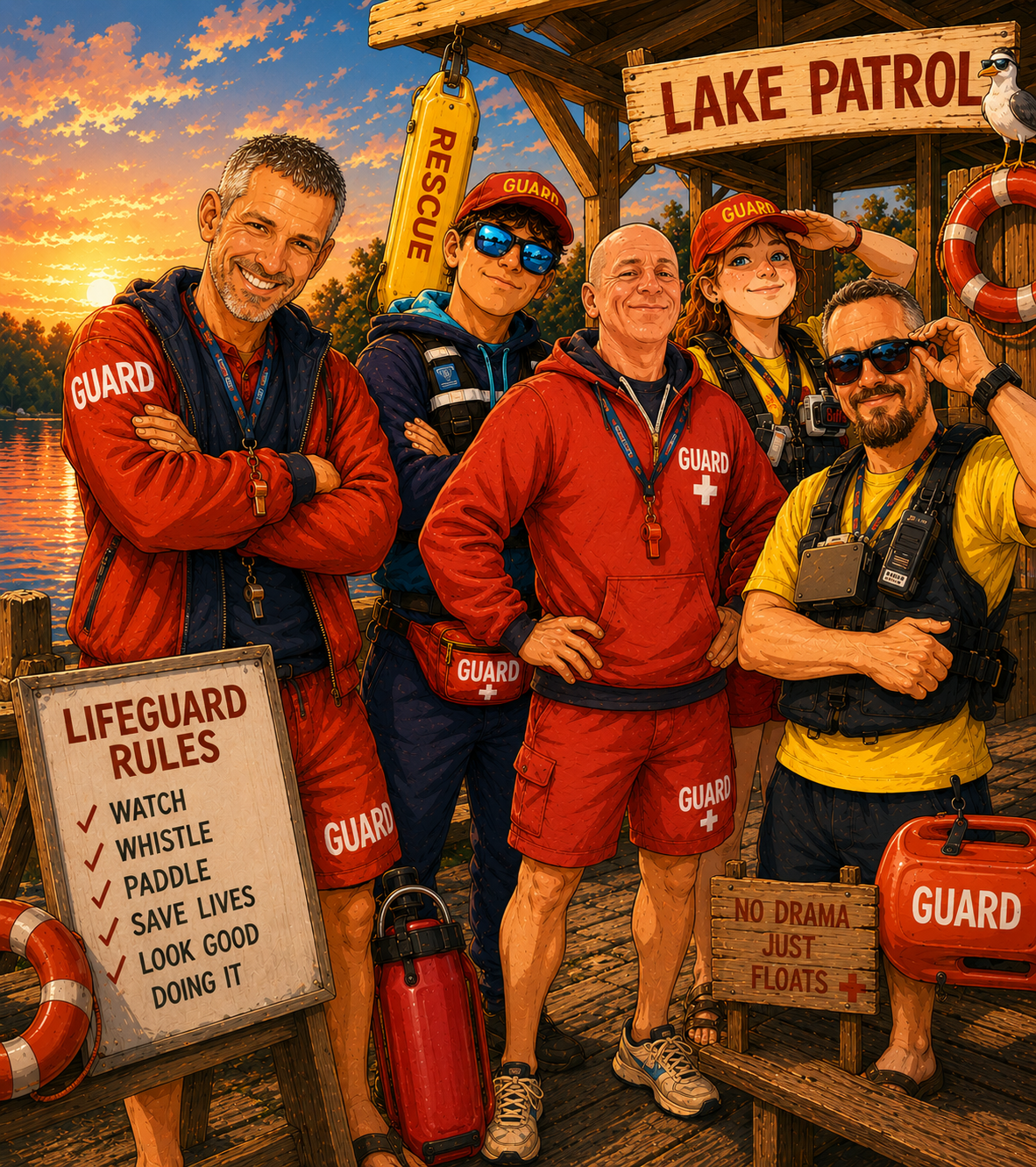
There’s nothing quite like the feeling of open water swimming fresh air, calm water, and the freedom of being outdoors. At Frisby Lakes, safety is always our number one priority, and our experienced lifeguard team is here to help everyone enjoy the water confidently and responsibly.
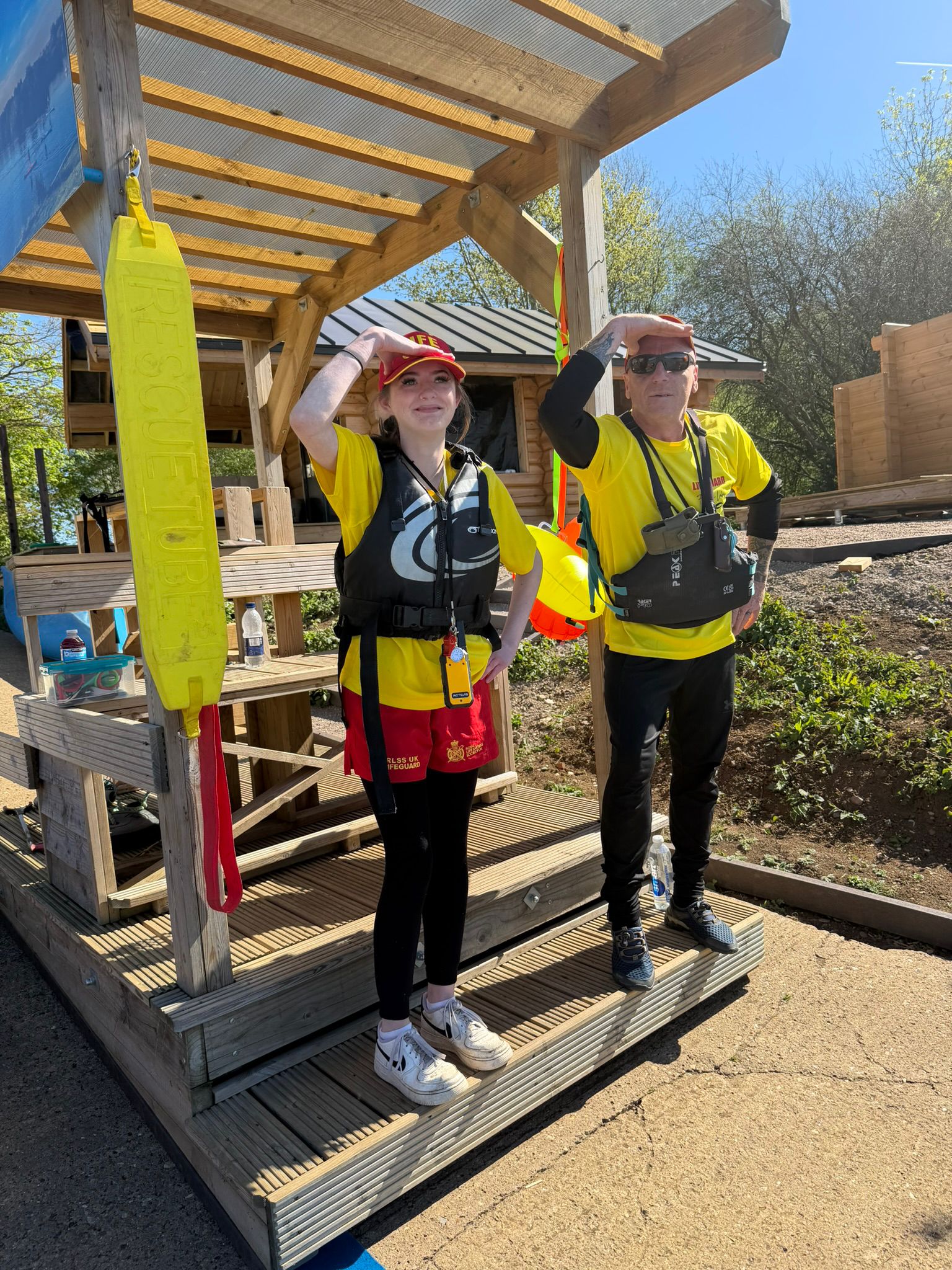
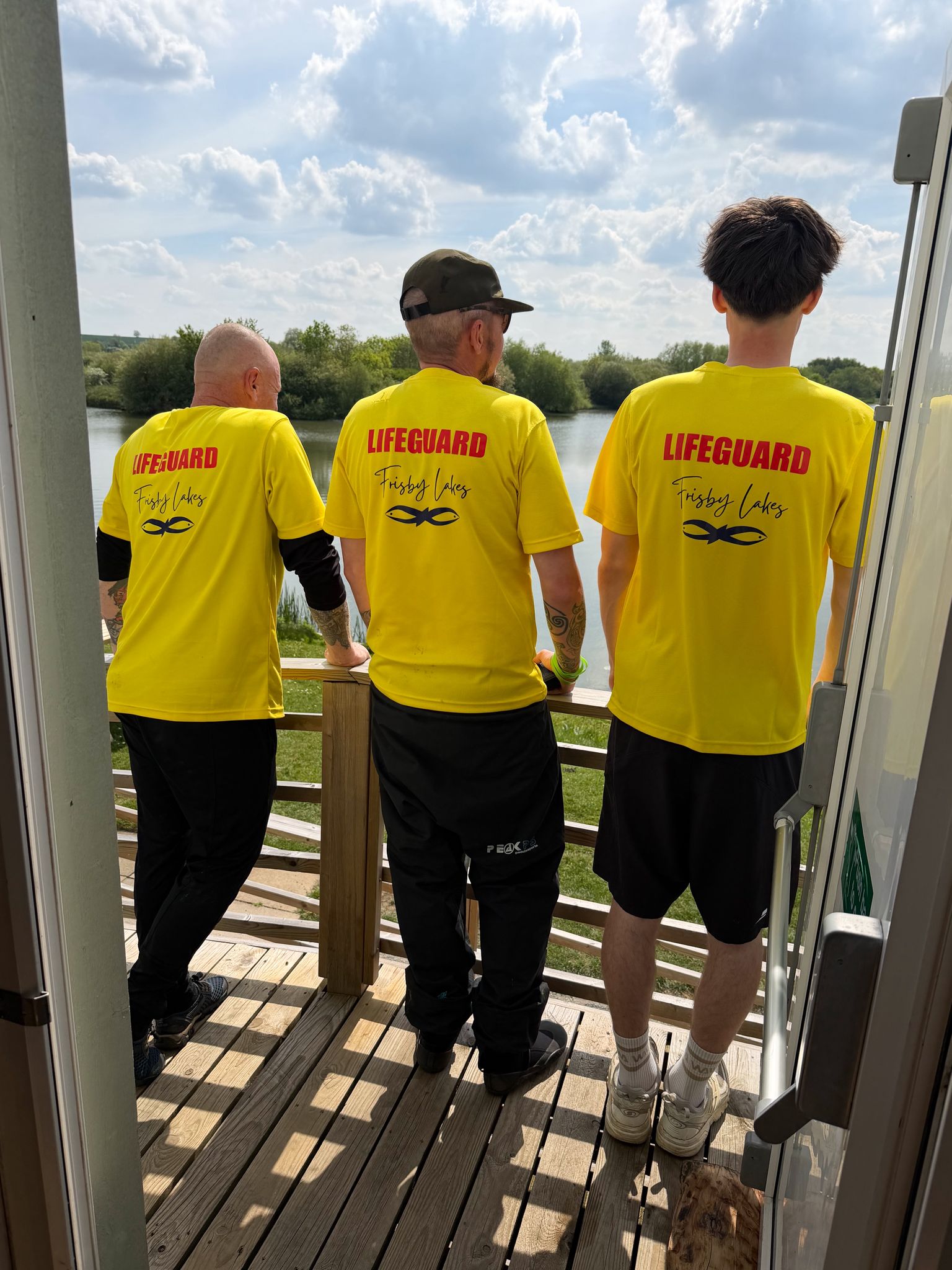
We asked our lifeguards (Dan, Dean, Zeb, Evie and Kurt) to share their top tips for staying safe while making the most of your swim.
1. Never Rush Into Cold Water
One of the biggest risks in open water swimming is cold water shock. Even on warm days, the water temperature can feel surprisingly cold.
“Our biggest advice is simple — enter the water slowly,” says Dan. “Give your body time to adjust, especially early in the season.”
Take a moment to control your breathing before swimming properly. Sudden immersion can cause panic, shortness of breath and dizziness.
2. Always Wear a Bright Swim Hat
Visibility matters in open water. Dean recommends wearing a brightly coloured hat every time you swim:
“It helps lifeguards and other swimmers spot you quickly, especially when conditions change or the lake gets busy.”
Tow floats are also strongly encouraged for added visibility and buoyancy.

3. Swim Within Your Ability
Open water swimming can feel very different from a swimming in a pool. Distances often seem longer, and conditions can change throughout your swim.
“Don’t feel pressured to keep up with other swimmers,” says Evie. “Know your limits and build your confidence gradually.”
If you’re new to open water swimming:
- Start with shorter swims
- Stay close to designated swimming areas
- Take regular breaks
- Swim with others whenever possible
4. Check In With Your Body
Fatigue and cold can creep up more quickly outdoors.
Zeb advises swimmers to pay attention to early warning signs:
“If you start feeling unusually tired, cold, dizzy or confused, get out of the water and warm up immediately.”
After-swim care is just as important:
-
- Dry off quickly
- Change into warm clothes
- Have a hot drink ready
- Avoid staying cold for long periods after your swim
5. Respect the Lake Conditions
Weather and water conditions can change quickly.
Before every session, our lifeguards assess:
- Water temperature
- Visibility
- Wind conditions
- General lake safety
Kurt says:
“If a lifeguard gives advice or asks swimmers to avoid an area, it’s always for safety reasons. Please listen to the team on duty.”
6. Don’t Swim Alone
Even experienced swimmers should avoid swimming completely alone.
Swimming with others means:
- Help is nearby if needed
- Someone can alert lifeguards quickly
- You’re more likely to notice signs of cold or fatigue early
Swimming with a buddy also provides extra confidence when conditions change unexpectedly, such as shifts in weather, water temperature, or visibility. Having someone nearby can help you make safer decisions and respond more effectively if you encounter difficulties.
At Frisby Lakes, we encourage swimmers to look out for one another and help maintain a safe, supportive environment for everybody. A strong swimming community helps ensure that everyone can enjoy open water safely and with greater peace of mind.

7. Ask Questions — We’re Here To Help
Whether you’re preparing for your first open water swim or training regularly, our lifeguards are always happy to help.
“Our job is to keep everyone safe and comfortable in the water,” says Dean. “No question is ever a silly question.”
Enjoy The Water Safely
Open water swimming is an incredible way to improve fitness, boost wellbeing and enjoy nature — but safety should always come first.
From all of us at Frisby Lakes, thank you for helping us create a safe and welcoming environment for every swimmer.
We look forward to seeing you in the water soon.
If you want to learn more baout open water swimming, check out NOWCA’s online courses!


